
Water Softeners in Charlotte, NC
Hard water is water carrying dissolved calcium and magnesium. It’s harmless to drink, but it leaves crusty scale on faucets and showerheads, spots on dishes and glass, and buildup inside water heaters, dishwashers and pipes.
A water softener removes those minerals before they reach your fixtures. Whether you need one depends on how hard your water actually is, which is why we test hardness for free before recommending anything.
Free water test first
What a water softener fixes
Scale on faucets and showerheads
White, crusty buildup that clogs spray nozzles and dulls fixtures.
Spots on dishes and glass
Cloudy glasses and spotted shower doors, even after cleaning.
Soap that won’t lather
Hard water fights soap and detergent, so you use more and rinse longer.
Buildup inside appliances
Scale forms inside water heaters, dishwashers and washing machines over time.
How a softener works
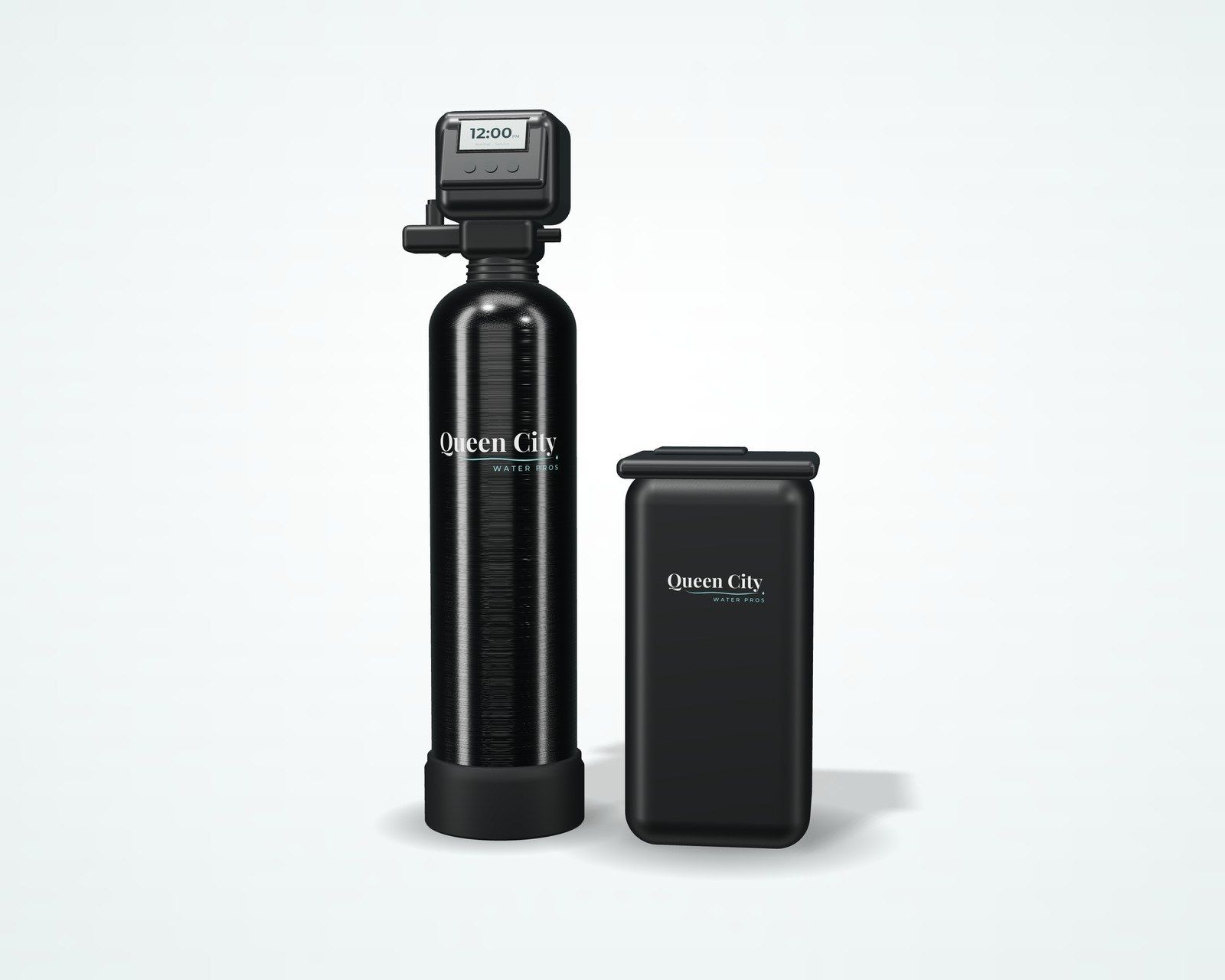
A softener has two tanks. The tall one holds thousands of small resin beads. As hard water flows through, the beads grab calcium and magnesium and release a small amount of sodium (or potassium) in their place. The water that comes out is soft.
Eventually the beads fill up with minerals. The control valve then runs a regeneration cycle: it rinses the beads with salty water (brine) from the second tank, which knocks the hardness minerals loose and flushes them down the drain. The beads are ready to go again.
Modern softeners are metered, which means they track how much water you use and regenerate only when they need to. That saves salt and water compared with older timer-based units.
- 1Hard water inCalcium and magnesium
- 2Resin tankBeads trade hardness for sodium or potassium
- 3Soft water outTo every tap and appliance
- 4RegenerationBrine rinses the beads; minerals go down the drain
What’s included
- A free hardness test and a recommendation sized to your household
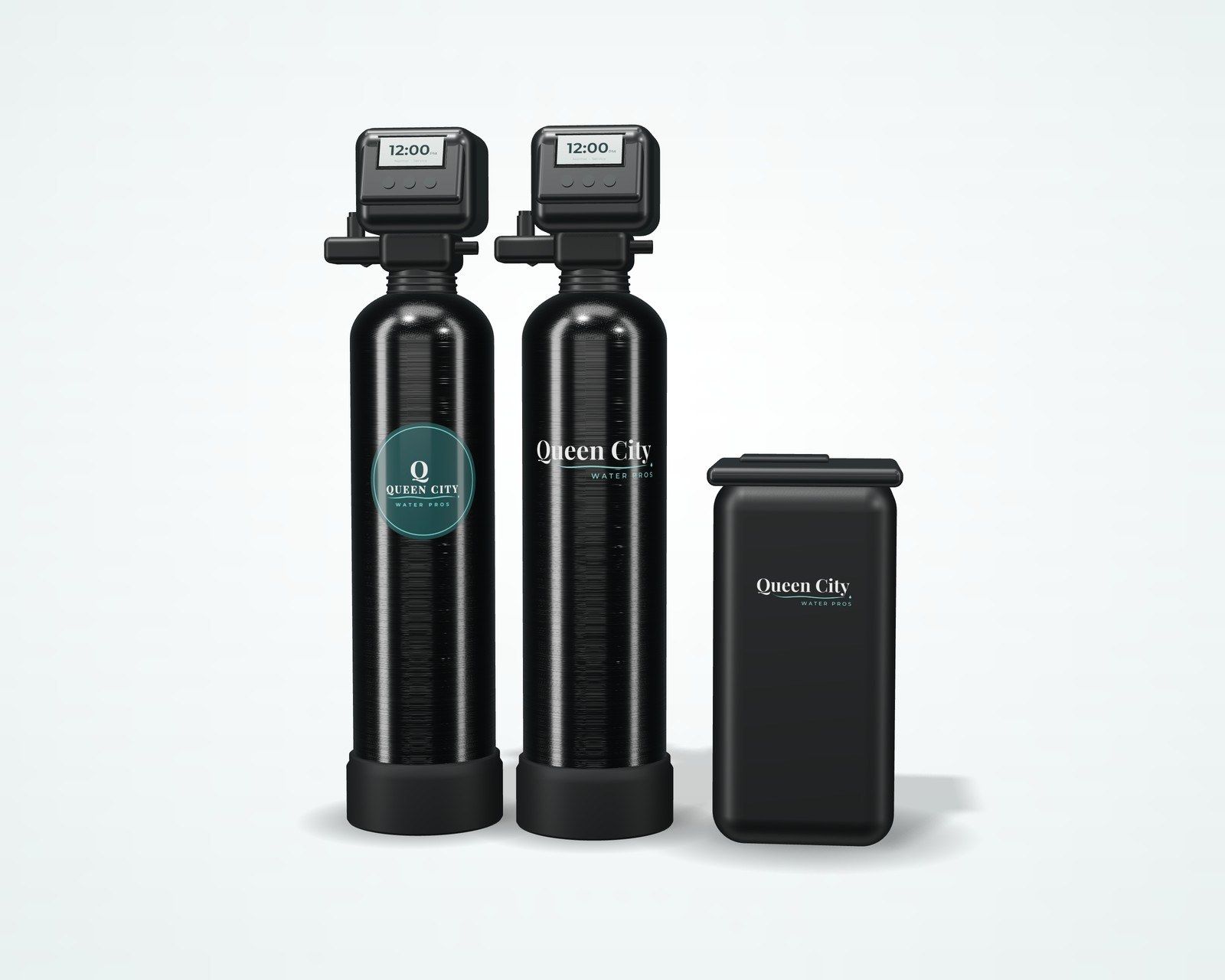
- A metered softener with resin tank, brine tank and control valve
- Installation at your main line with a bypass valve and drain connection
- Programming for your tested hardness
- Testing after install to confirm soft water at the tap
- A walkthrough covering salt, settings and what to watch for
City water or well?
City water
Depends on hardnessCharlotte Water reports soft water, so most Charlotte city homes don’t need a softener. Other suppliers vary, so we test first. A softener doesn’t remove chlorine; carbon does.
Well water
Often neededWell water is frequently harder than city water. If your well also has iron, we’ll plan for that first, since iron can foul softener resin.
Your options
Options are sized to your tested hardness, household size and water use.
Good
Metered softener
A single metered softener sized to your hardness and household.
Better
Softener + carbon
Softening plus catalytic carbon to remove chlorine and chloramine taste and smell.
Best
Softener, carbon + RO
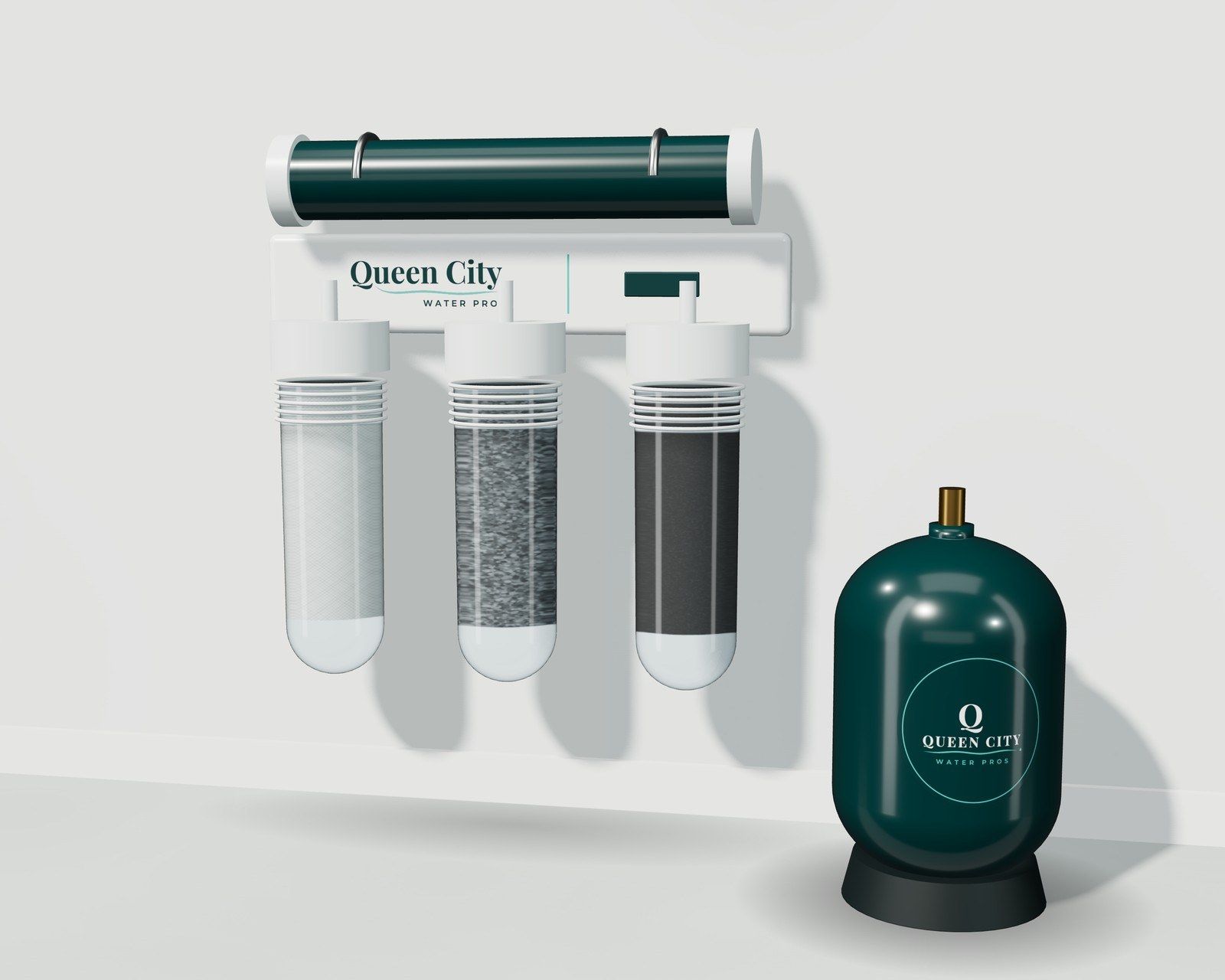
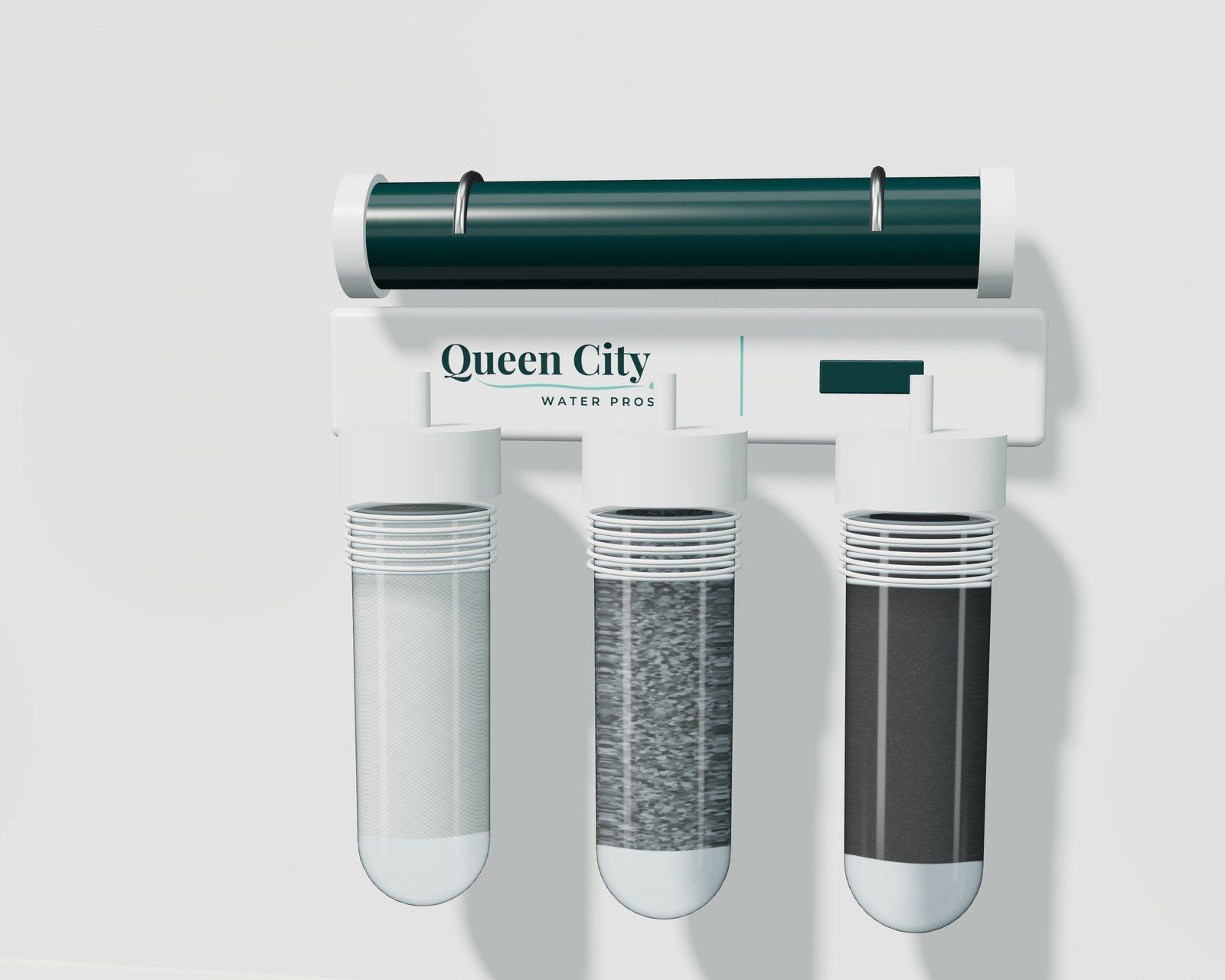
Soft, filtered water throughout the house and purified drinking water at the kitchen sink.
Your exact price is in writing at your free test.
Get My Free Water TestMaintenance
Maintenance & filter changes- Check the brine tank and top up salt regularly. Your usage and hardness decide how often.
- If salt forms a hard crust (a “salt bridge”), break it up so the system can make brine.
- On water with iron, a resin cleaner helps keep the beads working.
- Resin lasts many years. We can check settings and performance on a maintenance visit.
Water Softeners questions
Straight answers. Anything else, ask during your free test.
Have a question that isn’t here? Ask during your free test.
More questions and answersDo I need a water softener in Charlotte?
Why does softened water feel slippery?
Is softened water OK to drink?
Does a softener remove chlorine?
What about salt-free water conditioners?
Start with a free water test and an upfront quote.
Tell us a little about your home and we’ll reach out to schedule your visit.
- Free and no obligation
- Results explained in plain English
- Written options with upfront prices
Book Your Free Water Test
Five quick fields. We’ll call or text to pick a time.